
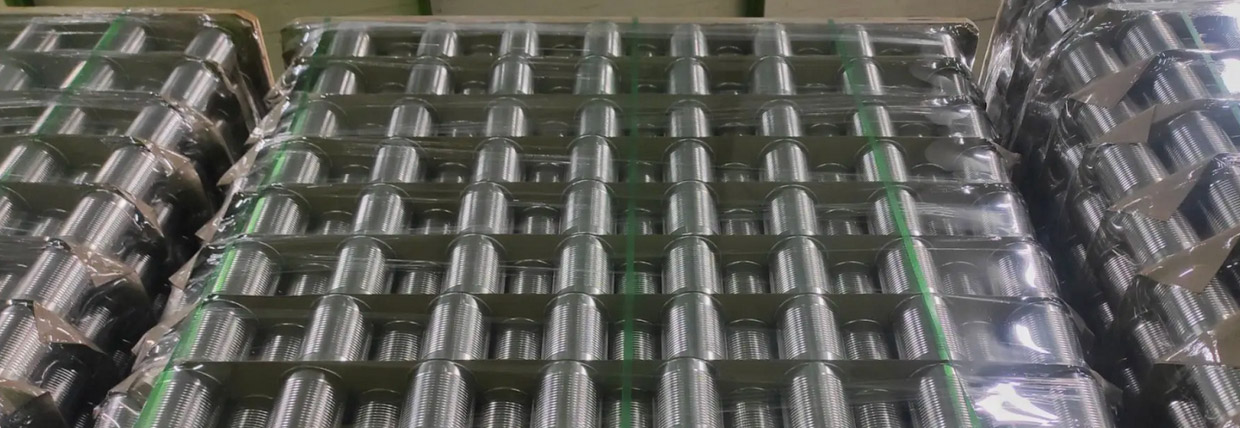
For canned food manufacturers across the Southeast, Section 232 tariffs on steel have become more than a policy discussion but a daily operational and sales challenge. These tariffs, originally imposed to strengthen U.S. steel production on national security grounds, are now raising packaging costs for domestic food processors while imported canned foods increasingly enter the U.S. market at lower prices.
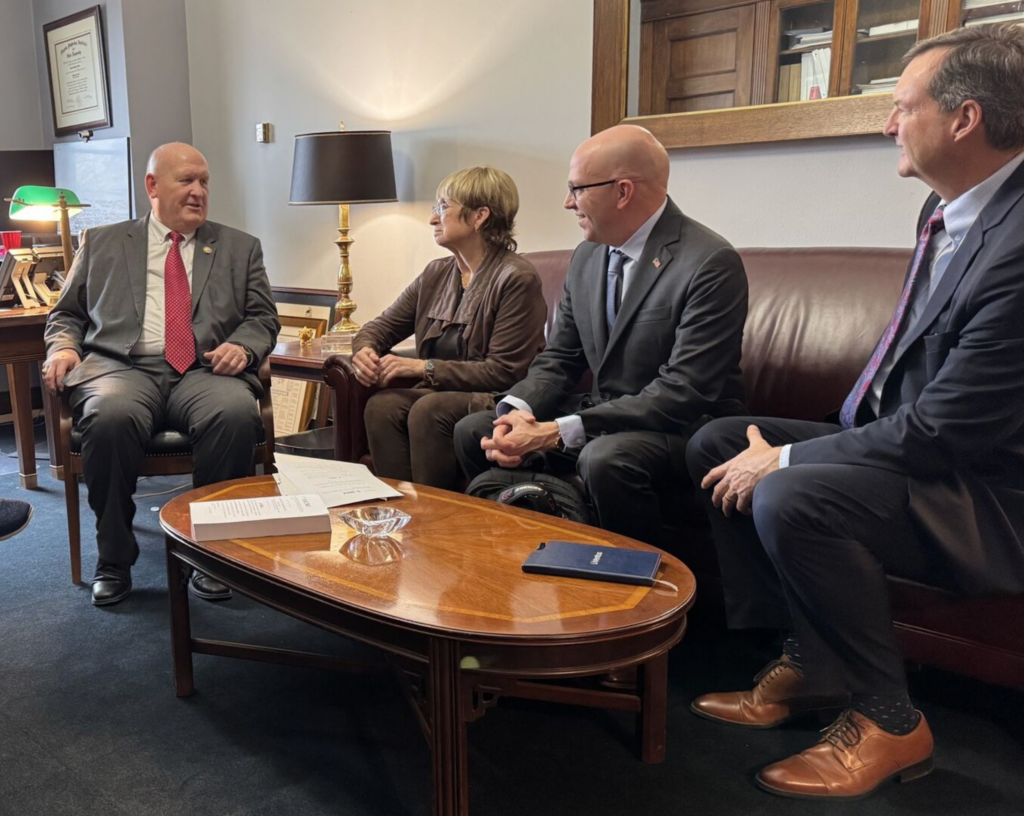
SFPA members participated in the American Fruit & Vegetable Fly-In in Washington, D.C., joining more than 20 food industry leaders to meet directly with lawmakers, their staff and agency representatives. Members of the SFPA recently went to Washington to voice their concerns. Rose Timmer and James Timmer (Rose Timmer Associates), Craig Jonkers (Liventus), and SFPA Executive Director Kay Rentzel met with members of Congress, including leaders from the House and Senate Agriculture Committees to discuss key issues impacting the industry and strengthen collaboration on future policy initiatives.
The Competitive Squeeze
Domestic processors must purchase steel used for food cans at tariff-inflated prices. Meanwhile, many foreign competitors produce canned foods using steel sourced without those tariffs, allowing them to price products more aggressively when exporting to the United States.
Industry analysts cited by the Wall Street Journal estimate tariffs could increase canned food prices by 9–15%, adding roughly 18–30¢ to the cost of a typical can of vegetables. Section 232 is also impacting costs of closure prices (due to the foil induction seals) and on foil films used in spice and condiment packaging.
In highly competitive grocery categories such as canned vegetables, tomatoes, and fruit, those price differences can determine which products secure shelf space. For Southeastern processors already operating on narrow margins, even modest increases in packaging costs can create a significant disadvantage.
Lost Business To U.S. Retailers

Food processors are losing business to major U.S. retailers over pennies per case due to the current shift from domestically-grown and processed food items to canned imports. One processor losing to foreign imports to a top national value retailer and another to a national club store are only two examples.
Why Washington Has Been Slow to Act
One reason is that Section 232 tariffs are framed as national security measures designed to protect U.S. steelmaking capacity. Once trade policy is linked to national security, reversing it becomes politically difficult.
Steel also represents a powerful political constituency. Steel-producing states and labor unions strongly support maintaining tariffs to preserve domestic production and jobs. For policymakers, supporting steel manufacturing often carries more political weight than the downstream effects on industries such as food processing.
Tariffs have also become an important tool in global trade negotiations. Maintaining them provides leverage in broader economic discussions with trading partners.
Finally, the consumer impact, while real is not apparent to busy consumers punch drunk from food price increases.
The Risk to Domestic Food Processing
This untenable situation is driving a significant loss of domestic canning capacity and a dramatic surge in imports. Contrary to the intent of Section 232 national security tariffs, U.S. steelmakers have shut down nine tin mill lines since the 2018 imposition of Section 232; only three domestic production lines remain today.
Tin mill steel is a niche substrate, and its production makes up less than 1% of total American steel production. As a result, domestic canners processing American-grown fruits and vegetables have no viable alternative but to rely on cans that are largely made with imported tinplate steel to meet industry demand.
If imported canned foods continue to gain a price advantage, the consequences could extend beyond manufacturers. Many SFPA members anchor regional agricultural economies, purchasing produce from local farmers and employing workers in rural communities.
A long-term shift toward imported canned foods could reduce demand for American-grown fruits and vegetables and weaken the domestic processing infrastructure that has supported U.S. food security for decades.
Solutions
While the broader tariff debate may continue, several practical policy options could help restore balance.
One option is a targeted tariff exemption for food-grade tinplate used in food cans, recognizing the limited domestic supply of this specialized material.
Another approach would be expanding the tariff exclusion process for manufacturers who can demonstrate that domestic mills cannot meet supply or quality needs.
A tariff-rate quota system—allowing a certain volume of tinplate imports at reduced tariff levels—has also been proposed as a compromise between steel protection and food industry needs.
Raising Your Voice
According to SFPA President Cecilia Brock, “There is no greater challenge to the long-term success of the U.S. canned food business than Section 232. We should continue to raise our collective voices to Washington.” The mid-term elections is the ideal time for SFPA members, and their employees, to voice their concerns with their local Congressional delegation, both incumbents and their challengers to gain their written support that can be used to push positive votes in an urgent matter to the SFPA. Additionally, contact and voice your concern to the U.S. House Agriculture Committee and the Senate Agriculture, Nutrition and Forestry Committee.